
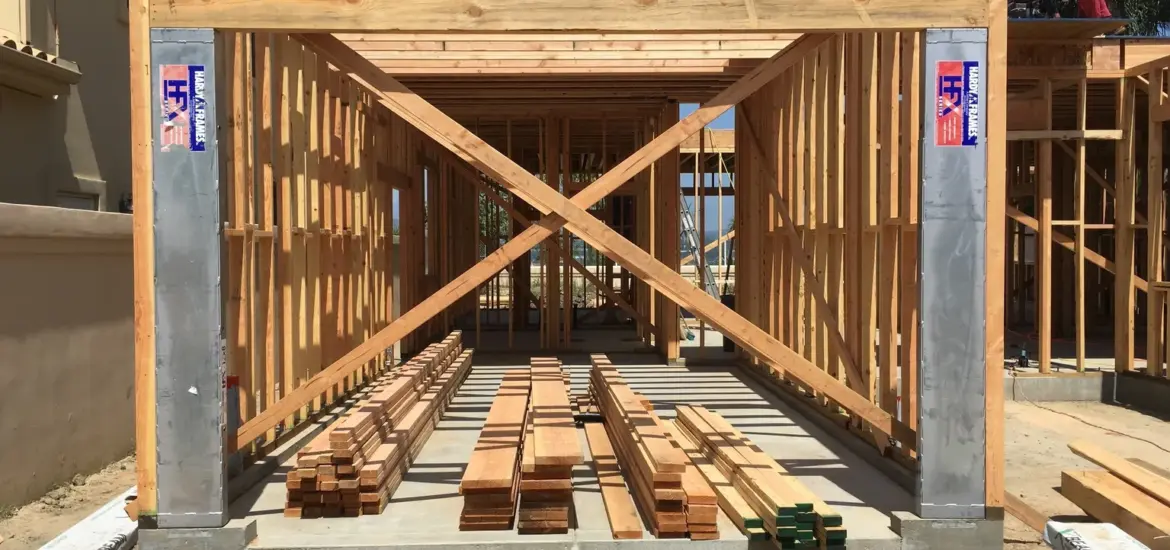
ADUs Room Additions in South Orange County

ADU Construction Cost to Build in Orange County, CA

Accessory Dwelling Units (ADUs) continue to grow in popularity across Orange County. They provide homeowners with rental income, multigenerational living space, and a significant boost in property value.

One of the most common questions homeowners ask is:

“How much does it cost to build an ADU in Orange County per square foot?”

As a licensed design-build contractor serving South Orange County, we want to provide the most accurate answer possible.

The truth is: you cannot estimate ADU cost with a single number.

The only realistic answer is a cost range, because every property, design, and construction scenario is different. Two ADUs that look similar on paper can have dramatically different construction costs.

Below are the real factors that influence ADU pricing in Orange County.

1. Site Conditions

No two properties in Orange County are the same. Some lots are flat, others are sloped, and some have limited access for construction equipment. These conditions affect excavation, grading, foundation design, engineering, and labor costs.

  • Lot slope and grading requirements
  • Access for construction equipment
  • Removal of existing hardscape (concrete, patios, walls)
  • Retaining walls
  • Drainage improvements
  • Crane or mechanical material delivery
  • Soil and geology studies

Even a simple grading correction can add $5,000 to $40,000 depending on the site.

2. Utilities

Orange County cities have strict building codes and utility requirements. Many ADU projects require upgrading or extending existing services.

Utility costs may include:

  • Sewer connection or tie-in
  • Water line extensions or upgrades
  • Gas line runs (if applicable)
  • Electrical service upgrades (100A to 200A)
  • Trenching and conduit installation
  • Stormwater drainage systems

3. Soil Reports & Engineering

Most ADU projects in Orange County require several engineering reports before construction can begin.

  • Geotechnical soil reports
  • Structural engineering
  • Title 24 energy compliance
  • Site surveys

If soil conditions are expansive clay, unstable, or contain high groundwater levels, foundation costs can increase significantly.

4. City Setbacks & Zoning Restrictions

Every city in Orange County has its own rules regarding ADU construction. Cities such as Laguna Niguel, Mission Viejo, Dana Point, and San Clemente all have different zoning and permitting processes.

Regulations may include:

  • Setback rules
  • Height limitations
  • Fire separation requirements
  • Parking considerations

These rules can impact:

  • The ADU location on the lot
  • Foundation design
  • Utility routing
  • Overall project layout

5. Size & Scale of the ADU

Typical ADU sizes in Orange County include:

  • Studio ADUs (200–500 sq ft) – lowest total cost
  • 1-Bedroom ADUs (500–750 sq ft) – most common
  • 2-Bedroom ADUs (750–1,200 sq ft) – highest total investment

Larger ADUs require additional structural elements, HVAC systems, and utility capacity.

6. Design Dictates the Budget

Your ADU design determines your ADU cost.

As a design-build firm, we see this every day. The design influences nearly every aspect of the project, including:

  • Space planning
  • Structural design
  • Materials
  • Architectural style
  • Window and door configurations
  • Roofing type
  • Plumbing layouts
  • Electrical load requirements

Key Design Factors That Affect Cost

1. Size
More square footage requires more materials and labor.

2. Materials

  • Siding and stucco finish
  • Roofing (tile vs composition shingles)
  • Windows and glazing quality
  • Plumbing fixtures
  • Cabinetry construction and finishes
  • Flooring (tile, LVT, carpet)
  • Bathroom tile and backsplashes
  • Countertop materials

3. Level of Finish

  • Rental-grade finishes
  • Mid-range owner quality
  • Premium or luxury guesthouse finishes

4. Kitchen & Bathroom Count

Kitchens and bathrooms are the most expensive rooms in any home. Additional bathrooms or larger kitchens increase overall cost regardless of square footage.

7. Realistic ADU Cost Range in Orange County

While there is no single price per square foot, a realistic cost range for 2025–2026 projects is:

Detached ADU in Orange County
$200,000 – $500,000+


8. ADU Construction Timeline

Another common question homeowners ask is:

“How long does it take to build an ADU in Orange County?”

A typical timeline looks like this:

  • Design & Engineering: 4–12 weeks
  • City Approvals: 4–6 months (varies by city)
  • Construction: 6–12+ months

Conclusion

Building an ADU in Orange County can be one of the most valuable investments a homeowner makes. However, determining cost requires a full evaluation of your property, your goals, and the design of the unit.

At Tuscany Builders, we guide homeowners through every stage of the ADU process including feasibility studies, design development, engineering, permitting, construction, and final finishes.

Our design-build approach ensures your ADU is thoughtfully planned, built to last, and tailored to how you want to live.
Tuscany Builders Remodeling

Top 3 Home Remodeling Projects: How to Avoid Overspending

By partnering with a reputable design-build contractor like Tuscany Builders, homeowners can maintain control over their remodeling project from start to finish, ensuring that every dollar spent contributes to achieving their dream home improvements.

Remodeling Is a Lot Like Ordering a Meal

Ordering food at a restaurant requires you to choose what you want before the kitchen can prepare it. Home remodeling works the same way.

A detailed design plan and materials list are like a menu. They allow homeowners to define exactly what they want, how they want it built, and where they want their budget allocated.

Just as a chef needs ingredients to prepare a meal, a contractor needs a comprehensive plan to execute a successful renovation. This approach not only helps control costs, it also makes the finished result far more likely to meet expectations.

The secret to avoiding overspending is knowing which parts of these popular remodels are most likely to break your budget.

1. Kitchens

Kitchens are one of the most valuable upgrades you can make, but they are also one of the easiest places to overspend.

The biggest budget drivers in a kitchen remodel:

  • Cabinetry: Custom or semi-custom cabinets can become a major expense, especially with premium materials or intricate detailing.
  • Countertops: Quartz, granite, and marble can significantly impact cost, especially in larger kitchens with more surface area.
  • Appliances: Professional-grade and smart appliances often represent a large percentage of the kitchen budget.

For homeowners planning a kitchen remodel, working with a design-build contractor like Tuscany Builders allows them to establish a realistic budget before construction starts. A scaled drawing, materials list, and finish selections make it easier to prioritize where the money should go.

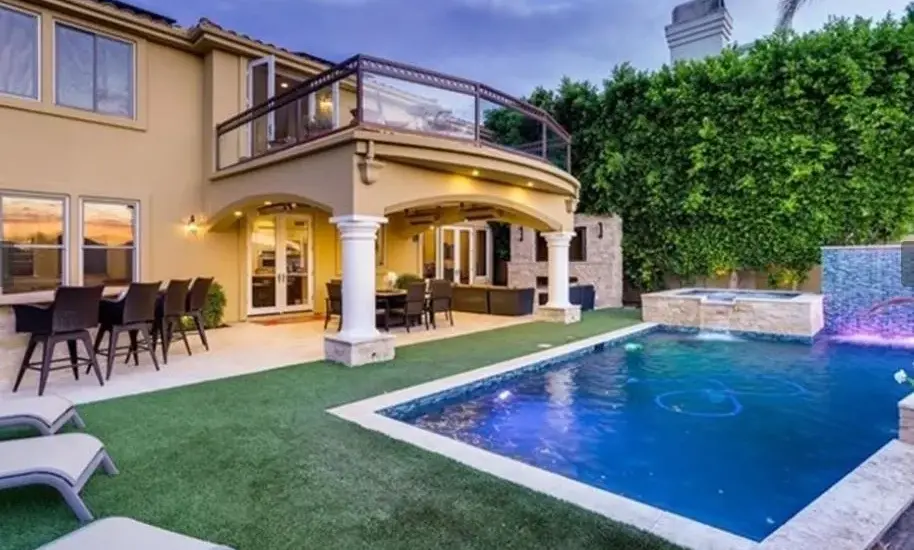
2. Pools & Backyard Remodeling

Outdoor living upgrades can completely transform a property, but they can also expand in scope quickly if the project is not planned carefully.

The biggest budget drivers in pool and backyard projects:

  • Pool construction: Excavation, pool shell installation, waterproofing, tile, plaster, and coping can add up fast.
  • Landscaping: Plants, trees, irrigation, lighting, and hardscape features like pavers or patios can significantly increase cost.
  • Outdoor structures: Pergolas, outdoor kitchens, fire pits, and shade structures often require specialty labor and custom work.

For homeowners considering a pool or backyard remodel, a clear design plan and materials list are essential. This ensures the budget is distributed intentionally across the pool, landscape, and outdoor living features instead of being consumed by unplanned upgrades mid-project.

3. Bathrooms

Bathrooms may be smaller than kitchens, but they are dense with labor, plumbing, finishes, and specialty materials. That makes them easy to underestimate.

The biggest budget drivers in a bathroom remodel:

  • Fixtures and fittings: Faucets, shower systems, specialty valves, and luxury hardware can quickly raise the budget.
  • Tile and flooring: Tile selection, layout complexity, and material type all affect price, especially with natural stone or custom patterns.
  • Plumbing and electrical work: Moving fixtures or upgrading systems adds labor and complexity.

When planning a bathroom remodel, homeowners benefit from working with a design-build contractor to define materials, fixtures, and specialty labor in advance. A detailed plan makes it far easier to avoid surprise costs and keep the project aligned with the original budget.

The Best Way to Avoid Overspending

Overspending usually happens when homeowners begin construction before the details are fully defined.

The more decisions made upfront, the more control you keep over the project. That means:

  • A clear layout and design plan
  • A defined materials list
  • A realistic budget
  • Fewer costly changes during construction

Successful Remodeling = Design, Plan, Execute

remodel

Why a Remodel Jumpstart is the First Step in Remodeling Design

Even if you can’t “see it” yet.

When homeowners search for “bathroom designers near me” or “kitchen remodel near me,” they’re usually looking for inspiration. But before the demolition starts or materials are ordered, every successful remodel begins with something much more important:

A clear remodeling design plan.

We often hear homeowners say:

“I just can’t picture how it’s all going to come together.”

And that’s completely normal.

Remodeling your home is exciting, but it’s difficult to visualize the final result before construction begins. That’s exactly why we created the Remodel Jumpstart, a step-by-step design service built around your home, your style, and your goals.

Most homeowners know what they want conceptually, but they don’t have the time, tools, or training to turn those ideas into a complete design.

That’s not a lack of vision. Design is a professional skill that takes years to develop.

Why Doesn’t My Design Look Like a Designer’s?

1. Most People Can’t See What Designers See and That’s Okay

Designers spend years training their eyes to recognize how materials interact with one another. It’s not just about matching cabinet colors with tile or choosing a paint color.

Professional designers understand:

  • Material undertones
  • How lighting changes color throughout the day
  • How finishes interact with each other
  • How scale and layout affect the entire space

For example:

  • Not all whites are the same — some lean yellow, blue, pink, or gray.
  • Tile that looks white in a showroom can appear green once installed at home.
  • Paint colors shift dramatically depending on lighting conditions.

This is why DIY color selection often leads to regret. Most homeowners simply aren’t exposed to materials every day the way designers are.

At Tuscany Builders, we don’t guess. We curate materials specifically for your home’s lighting, layout, and architectural style.

2. Too Many Choices: Design Fatigue

Walk into a tile showroom and you’ll see thousands of options. Cabinets come in dozens of finishes. Fixtures, lighting, countertops — the choices seem endless.

But research shows the human brain can only process 5–7 options at a time before decision fatigue sets in.

Instead of empowering homeowners, too many choices often create confusion and indecision.

That’s why our Remodel Jumpstart simplifies the process.

  • We curate materials from trusted brands like Aristokraft and Mantra
  • We bring samples directly to your home
  • We narrow hundreds of options down to a focused selection

You don’t need to scroll through 300 Pinterest boards. You need a professional who understands your space and filters the choices down to what truly works.

3. Good Design Is a Process — Not a Mood Board

Online inspiration can be helpful, but real design involves much more than matching beautiful photos.

When we evaluate a space, we consider:

  • How the household uses the space
  • How natural light changes throughout the day
  • Material durability and maintenance
  • Structural feasibility
  • Layout functionality

That’s why our design process includes:

  • Concept layout planning
  • Scaled drawings
  • Material palettes
  • Feasibility evaluation

A remodel isn’t just visual — it’s structural, functional, and personal.

At Tuscany Builders, the process is led directly by our owner Dino, a licensed contractor who evaluates your space personally rather than sending a sales representative.

4. Our Process Takes the Guesswork Out

Over decades of remodeling homes across Orange County, we’ve developed a design process that keeps homeowners confident and informed.

During a Remodel Jumpstart session we:

  • Evaluate your home’s layout, lighting, and flow
  • Understand how you actually live in the space
  • Bring curated material samples
  • Create concept layout drawings
  • Guide you through practical design decisions

You’re not guessing. You’re not being pressured.

You’re working with an experienced design-build team focused on getting the design right from the beginning.

So How Does the Remodel Jumpstart Help?

Design isn’t simply matching paint colors or tile patterns. It’s about creating harmony between materials, layout, and lifestyle.

The Remodel Jumpstart is designed to remove the confusion and replace it with a clear path forward.

Instead of guessing, you walk away with:

  • A practical design direction
  • A concept layout
  • Curated materials
  • A clearer understanding of budget and feasibility

It’s not a sales gimmick. It’s the smartest way to begin a remodel.

Ready to Start Your Remodel the Right Way?

Book your Remodel Jumpstart consultation and turn your ideas into a clear plan.


Book Your Remodel Jumpstart


Serving Orange County Homeowners

Our Remodel Jumpstart consultations are available for homeowners throughout South Orange County including:

Newport Beach, Costa Mesa, Huntington Beach, Laguna Niguel, Laguna Hills, Tustin, Irvine, Yorba Linda, Anaheim Hills, Lake Forest, Mission Viejo, San Clemente, Aliso Viejo, San Juan Capistrano, Orange, and surrounding communities.